

Your Guide to Seasonal Roof Maintenance in New Jersey
Your Guide to Seasonal Roof Maintenance in Essex County, New Jersey
Essex County experiences a wide range of weather conditions that can challenge homeowners’ roofs. From heavy spring rains and hot summer sun to winter snow and ice, the climate affects roofing materials differently throughout the year. Regular seasonal roof maintenance in Essex County is essential to protect your home and extend the life of your roof system, and many homeowners partner with experienced Essex County roofing contractors to handle inspections and repairs.
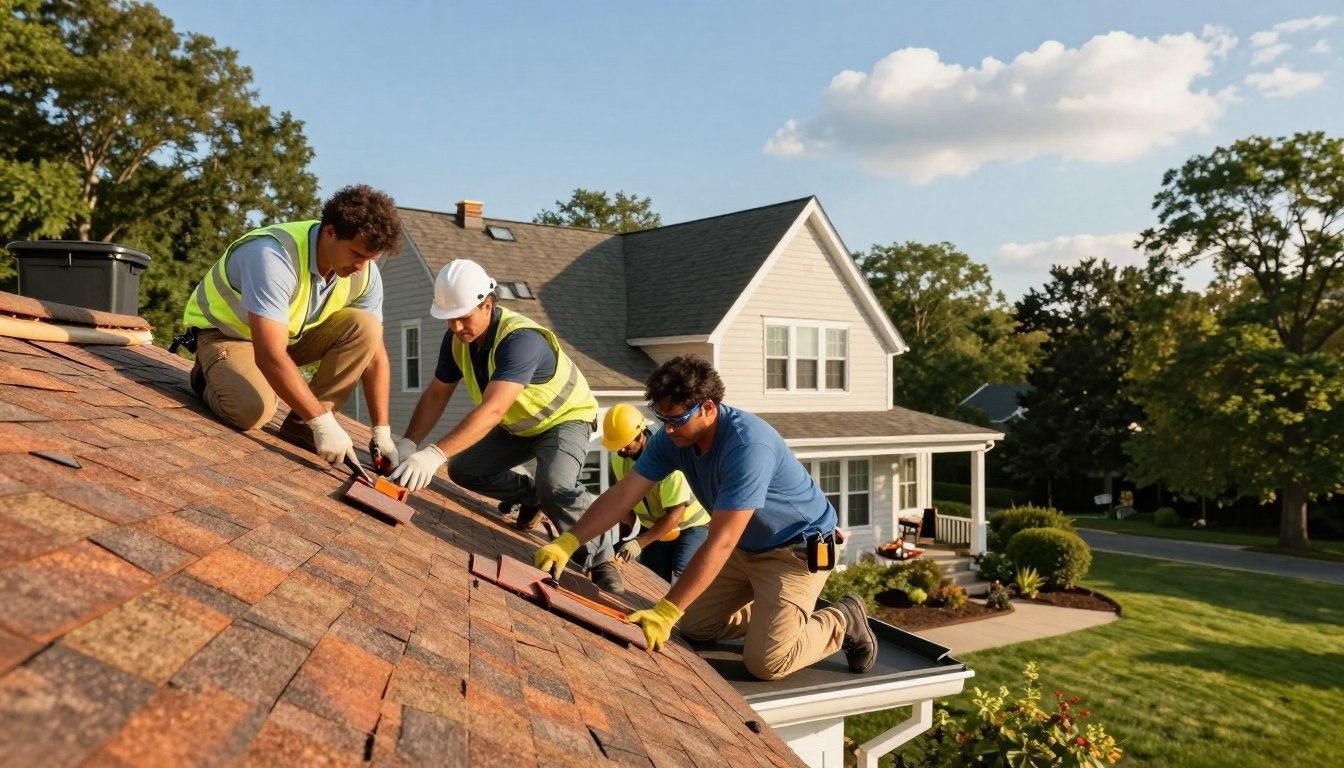
For reliable roofing services in Essex County, trust American Home Remodeling. Understanding your roof’s unique needs during each season helps you avoid costly repairs and ensures your roof remains in excellent condition year-round.
Key Takeaways
- Regular seasonal roof maintenance in Essex County is crucial due to the region’s diverse climate.
- Spring and summer weather can accelerate wear and tear on roofing materials.
- Harsh winters in Essex County bring snow and ice challenges that require special attention.
- Professional Essex County roofing contractors provide expert services to protect your home.
- American Home Remodeling is your trusted partner for Essex County roof repair and maintenance.
Why Essex County Homes Need Year-Round Roof Care
Essex County homeowners face a climate that ranges from cold winters to hot summers, making proper roof care essential. The area's weather extremes can cause premature aging of roofing materials and increase the risk of water infiltration and other damage.
Climate Challenges Unique to Essex County
- Heavy snowfall in winter can lead to ice dams and excess snow load on roofs.
- Summer heat causes UV degradation and can prematurely age shingles, especially asphalt shingle roofs common in Essex County.
- Frequent rain throughout the year increases the risk of clogged gutters and mold growth.
How Proper Roof Maintenance Protects Your Essex County Investment
Investing in proper roof maintenance helps Essex County homeowners avoid costly repairs and extends the life span of their roof system. Regular inspections and seasonal roof care prevent minor issues like loose shingles and clogged gutters from developing into major problems.
Benefits include:
- Extending your roof’s life span by preventing premature aging.
- Avoiding costly repairs through early detection of damage.
- Maintaining your home’s curb appeal and property value in Essex County.
Understanding Your Roof: Common Essex County Roofing Materials and Structures
Knowing the common roofing materials used in Essex County helps homeowners make informed maintenance decisions. Asphalt shingle roofs dominate the area due to their affordability and durability, but metal and slate roofs are also popular for their longevity, especially when installed by a New Jersey roof replacement contractor that uses high-quality materials and methods.
Popular Roofing Materials for Essex County Weather
- Asphalt Shingle Roofs: The most common choice in Essex County, offering versatility and cost-effectiveness.
- Metal Roofing: Known for long life span and resistance to severe storms common in the region.
- Slate and Tile: Premium options that provide aesthetic appeal and durability.
Key Roof System Components to Monitor
| Component | Description | Maintenance Needs |
|---|---|---|
| Roof Deck | The base surface supporting roofing materials | Inspect for rot and water infiltration |
| Rafters | Structural support beams for the roof | Check for damage after severe storms |
| Flashing | Metal strips sealing roof joints and penetrations | Regularly inspect to prevent leaks |
Spring Roof Maintenance Checklist for Essex County Homeowners
Spring is the ideal time for Essex County homeowners to inspect their roofs after winter’s harsh conditions. This seasonal roof maintenance helps prevent costly repairs caused by winter damage.
Post-Winter Inspection Guidelines
Look for signs of roof damage such as loose or missing shingles, cracked flashing, and clogged gutters. Use binoculars or hire a roofing professional for a safe and thorough inspection.
Addressing Winter Damage and Preventing Leaks
Repairing loose shingles and sealing cracks early prevents water infiltration and mold growth in your attic insulation. Addressing these minor repairs now can avoid major problems later.
Spring Cleaning for Roof Surfaces and Drainage Systems
Clear away debris like leaves and branches from roof valleys and gutters to ensure proper drainage. Keeping gutters clean prevents clogged gutters and water buildup that can lead to costly repairs.
| Task | Frequency | Importance |
|---|---|---|
| Inspect roof for winter damage | Spring | High |
| Clean gutters and downspouts | Spring, Fall | High |
| Remove roof debris | Spring | Medium |
| Check attic for moisture buildup | Spring | High |
Summer Roof Care in Essex County: Protecting Against Heat and Storms
Summer’s heat and storms in Essex County require proactive roof care to prevent damage from UV exposure and severe weather.
Heat-Related Roof Issues
UV degradation can cause roofing granules to wear off, especially on asphalt shingle roofs, leading to prematurely aged shingles. Regular inspections help identify and address UV damage before it worsens.
Preparing for Summer Thunderstorms and High Winds
Secure loose shingles and clear gutters to prevent water infiltration during summer storms. Inspect your roof system after severe storms to catch hail damage or wind-related issues early.
UV Protection Strategies for Essex County Roofs
Applying UV reflective coatings on asphalt shingles and maintaining metal roof finishes can help protect your roof system from sun damage.
| Roofing Material | UV Protection Strategy | Maintenance Frequency |
|---|---|---|
| Asphalt Shingles | UV reflective coatings | Bi-annual inspections |
| Metal Roofs | Regular cleaning and inspections | Annual inspections |
Fall Roof Maintenance: Preparing Essex County Roofs for Winter
Fall is critical for preparing your roof for Essex County’s harsh winters. Clearing debris and ensuring proper drainage helps prevent ice dams and water damage, and it’s also a good time to evaluate when to replace your roof and siding if you’re noticing recurring seasonal issues.
Clearing Leaves and Debris
Remove leaves and organic debris from your roof and gutters to avoid clogged gutters and moss growth.
Gutter and Downspout Preparation
Clean gutters thoroughly and inspect downspouts for blockages to ensure proper drainage and prevent ice dams.
Sealing Air Leaks
Check and seal gaps around chimneys, vents, and attic spaces to maintain adequate insulation and prevent moisture buildup.
Winter Roof Care: Managing Snow and Ice in Essex County
Winter snow and ice require careful roof maintenance to avoid structural damage and leaks.
Snow Load Management
Safely remove excess snow using plastic shovels or roof rakes to prevent roof collapse and ice dam formation.
Preventing Ice Dams
Ensure your attic has proper ventilation and insulation to reduce ice dam risks.
Emergency Repairs
Call Essex County roofing professionals immediately if you notice leaks or significant damage after severe winter storms.
Essex County Roof Maintenance Tools and Safety Equipment
Having the right tools and safety gear is essential for effective and safe roof maintenance, but larger exterior projects like professional siding installation services should be left to experienced contractors.
DIY Tool Checklist
- Extension ladder with stabilizers
- Gardening gloves and safety glasses
- Leaf blower or broom for debris removal
- Flashlight for attic inspections
Safety Gear
- Fall protection harness and rope system
- Non-slip footwear
- Hard hat
When to Hire Professionals
Complex repairs, roof access challenges, or major problems require expert roofing professionals to ensure safety and proper repair.
Professional Essex County Roofing Services vs. DIY Maintenance
Balancing DIY upkeep with professional inspections helps keep your roof efficiently maintained. While homeowners can handle gutter cleaning and debris removal, professional roofing experts are essential for identifying hidden vulnerabilities and performing necessary repairs, and teaming up with Essex County siding specialists can further protect your home’s exterior from the elements.
Signs Your Essex County Roof Needs Professional Attention
Watch for:
- Loose or missing shingles
- Water stains in the attic or ceilings
- Sagging roof sections
- Excessive moss or algae growth
Promptly consulting roofing professionals can prevent costly repairs and roof replacement, and nearby Passaic County roofing specialists also serve many Essex County homeowners who need trusted contractors close by.
Choosing the Right Roofing Contractors in Essex County, NJ
Look for licensed, insured contractors with strong local reputations. Verify certifications and ask for references to ensure quality workmanship, especially if you’re comparing options that serve both Essex and Morris County roofing projects.
How Professional Roofing Services Extend Your Roof’s Lifespan
Essex County roofing professionals provide comprehensive inspections, routine care, and timely repairs that prevent major problems. Their expertise helps your roof remain well maintained and protects your home investment, similar to how Sussex County roofing services are tailored to local weather conditions.
American Home Remodeling’s Expert Roof Care in Essex County
Our team offers detailed inspections and seasonal maintenance packages tailored for Essex County’s weather challenges. Trust us to keep your roof system in optimal condition year-round, and know that we bring the same level of expertise to
Sussex County siding projects and
Staten Island roofing services across the region.
Conclusion: Protect Your Essex County Home with Proper Roof Maintenance
Proper roof maintenance is a major investment in your Essex County home’s safety and value. Regular seasonal roof care, timely repairs, and professional inspections help your roof efficiently withstand the region’s climate and avoid costly repairs.
Partner with American Home Remodeling for expert Essex County roofing services that keep your roof strong and your home protected for years to come.
Frequently Asked Questions About Seasonal Roof Maintenance in Essex County, NJ
What roofing materials are best suited for Essex County’s climate?
Asphalt shingles are the most common and cost-effective choice, offering good durability for Essex County’s variable weather. Metal roofs and slate tiles are also excellent options due to their longevity and resistance to storms and temperature extremes.
How often should I schedule roof inspections in Essex County?
It is recommended to have your roof inspected at least twice a year—typically in spring and fall—and after any major storms to catch damage early.
What are the signs of winter damage to an Essex County roof?
Look for missing or damaged shingles, ice dams, water stains in the attic, sagging roof sections, and clogged gutters caused by snow and ice buildup.
Can I perform seasonal roof maintenance myself safely?
Homeowners can safely handle tasks like gutter cleaning and debris removal using proper tools and safety gear, but professional help is advised for inspections, repairs, and working on steep or high roofs.
How do I protect my Essex County roof from summer storms and UV exposure?
Regularly inspect and repair loose shingles, keep gutters clear, and consider UV protective coatings or treatments for asphalt shingles to reduce sun damage.
What are the benefits of hiring professional roofing contractors in Essex County?
Professionals provide thorough inspections, identify hidden vulnerabilities, perform safe and high-quality repairs, and help extend your roof’s lifespan, saving you from costly repairs.
How do I find licensed roofing contractors in Essex County, NJ?
Look for contractors with valid licenses, insurance, positive local reviews, and references. Verify credentials through state licensing boards and ask for detailed estimates.
When should I consider roof replacement in Essex County?
Consider replacement when your roof shows widespread damage, frequent leaks, extensive shingle deterioration, or has reached the end of its expected lifespan despite regular maintenance.
How does professional roof maintenance prevent costly repairs?
Regular professional inspections and timely repairs address small issues before they escalate, preventing water intrusion, structural damage, and expensive emergency fixes.
What fall maintenance tasks are critical for Essex County roofs?
Removing leaves and debris, cleaning gutters and downspouts, sealing air leaks around chimneys and vents, and inspecting flashing are key fall tasks to prepare your roof for winter.
How can I prevent ice dams on my Essex County roof?
Ensure proper attic ventilation and insulation to keep roof temperatures consistent, remove snow safely after storms, and maintain clear gutters to allow water to drain properly.
What safety equipment is necessary for roof maintenance in Essex County?
Essential gear includes extension ladders with stabilizers, fall protection harnesses, non-slip footwear, gloves, safety glasses, and hard hats to ensure safe working conditions.